Designing Inference Engineering
Everybody judges books by their cover. That's why Inference Engineering has the best book cover in history.

I was fortunate to work with multiple fantastic designers to bring Inference Engineering to life. In the design process, I did three things really well:
- Clearly communicating with the designers to get exactly what I wanted.
- Developing strong vision for the cover and interior style but being flexible on the implementation.
- Bringing in outside experts for the final packaging step and following their vision on an art deco PR box.
I also made two costly mistakes:
- Assuming it would be easy to convert from Figma and RGB to Adobe and CMYK/Pantone.
- Insisting on a edge-to-edge design that wraps around the spine, requiring a redesign every time the page count or dimensions of the book changed.
These oversights led to stressful and urgent work to unblock the printing process.
Interior design
Inference Engineering contains over 100 visual elements across charts, tables, diagrams, and code blocks. I was able to get these added to the book in just four weeks by working with multiple designers to build the diagrams in parallel.
I insisted we use Figma, which made the early design process faster (especially as I am a competent Figma user, though I am not myself a designer). However, this made things harder on our printer, as we had to convert from RGB to CMYK and Pantone, which is not a simple conversion.
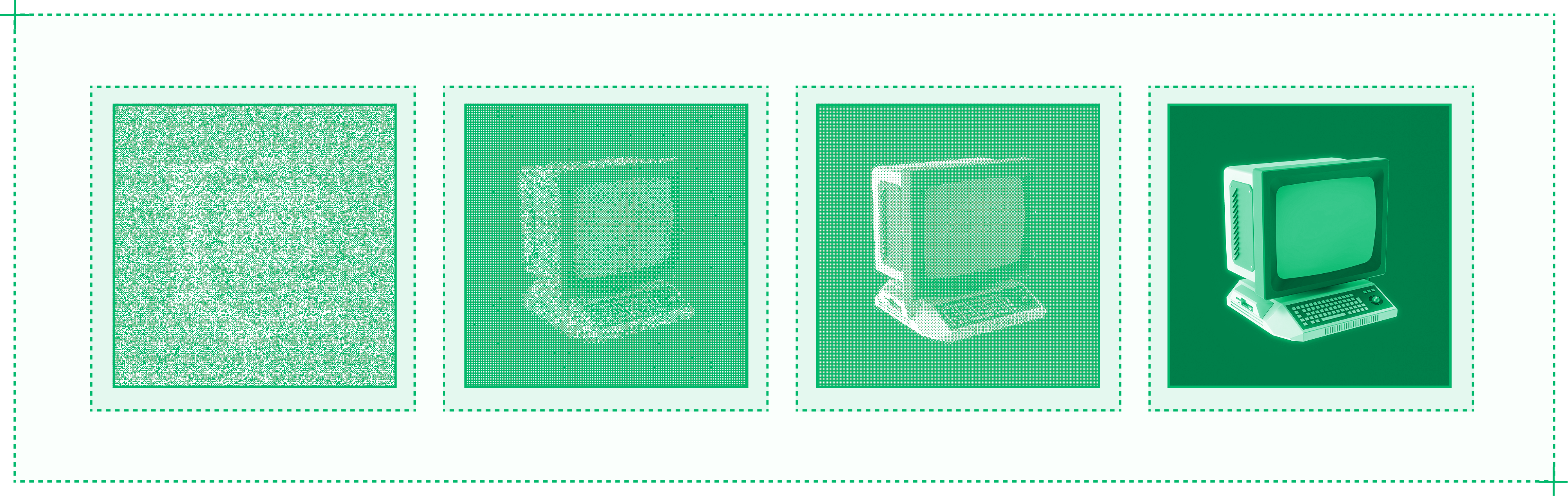
Knowing that I would be working with multiple designers, I started out by establishing the visual identity of the book with Luke, the main designer. We first defined a few different categories of image that would appear often. Luke and I did multiple iterations on the style for these first few assets.
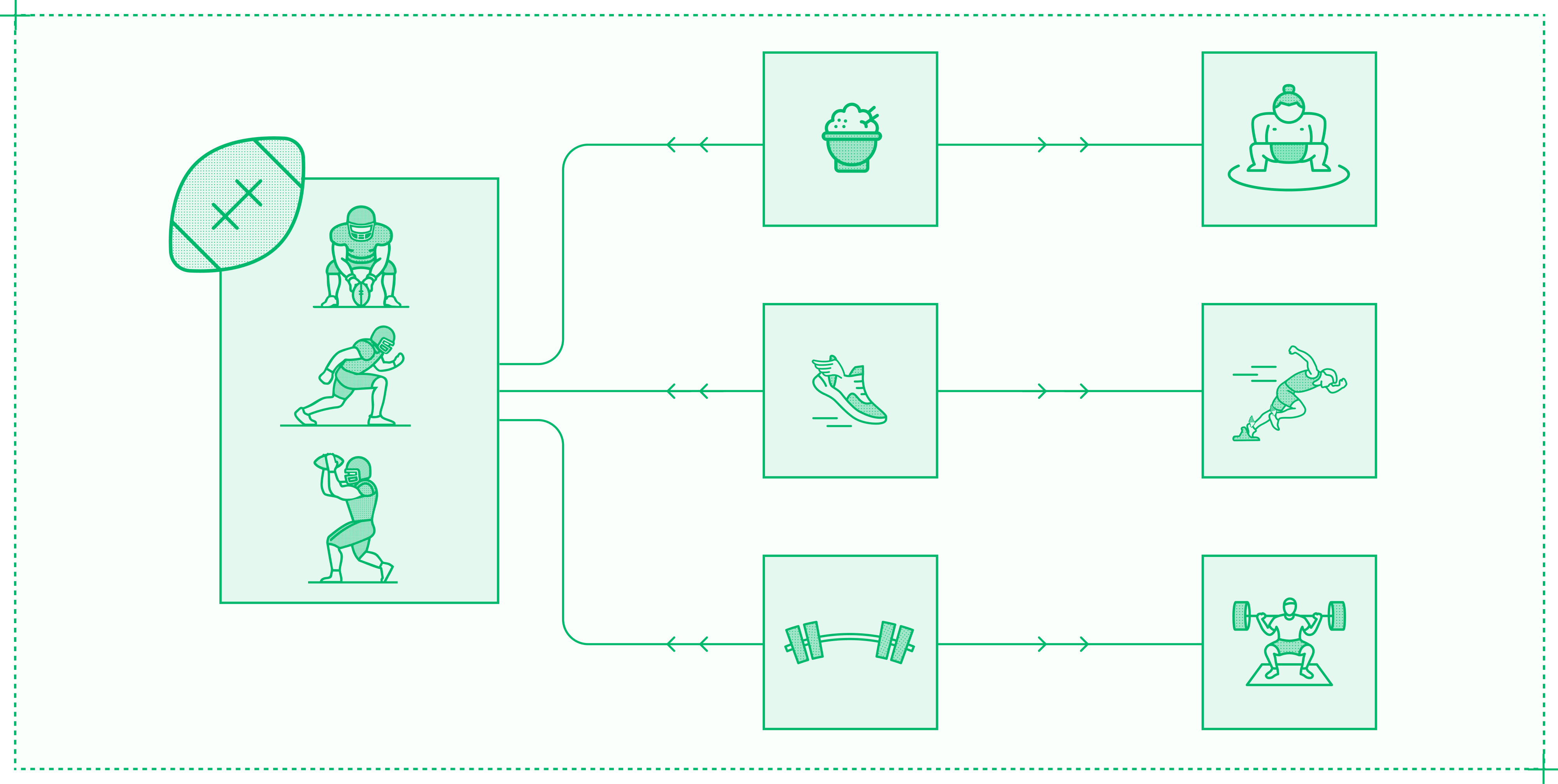
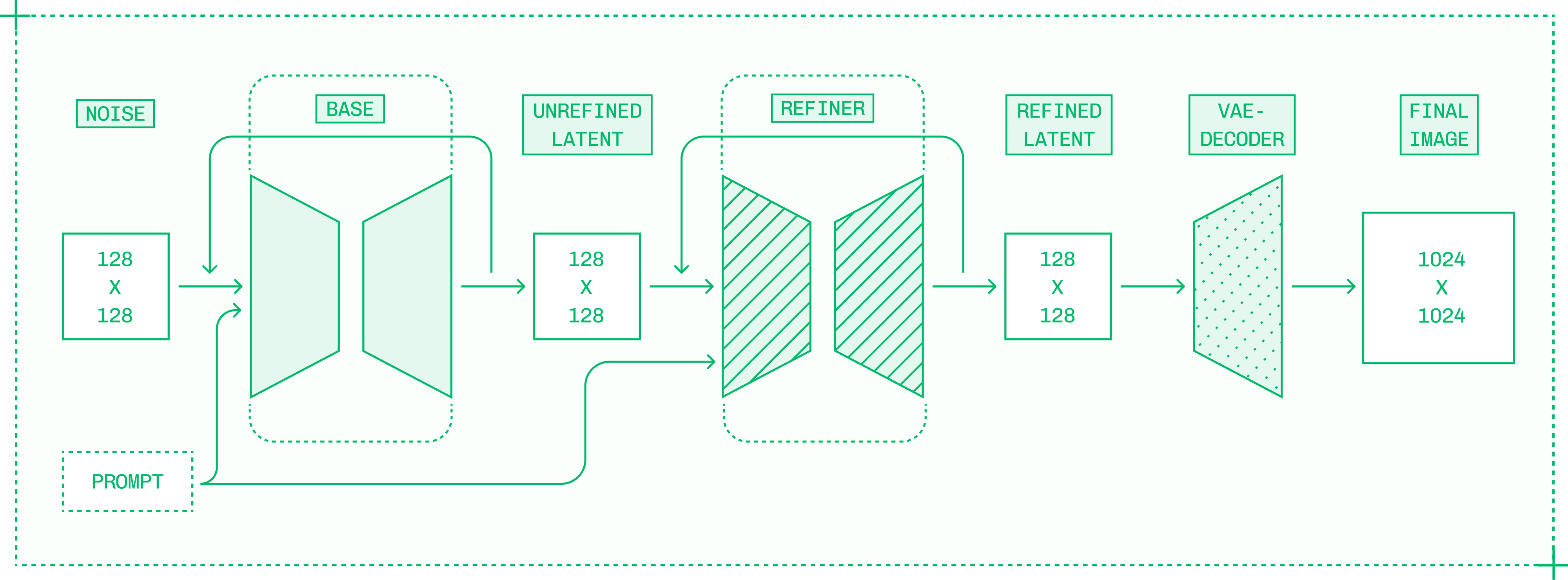
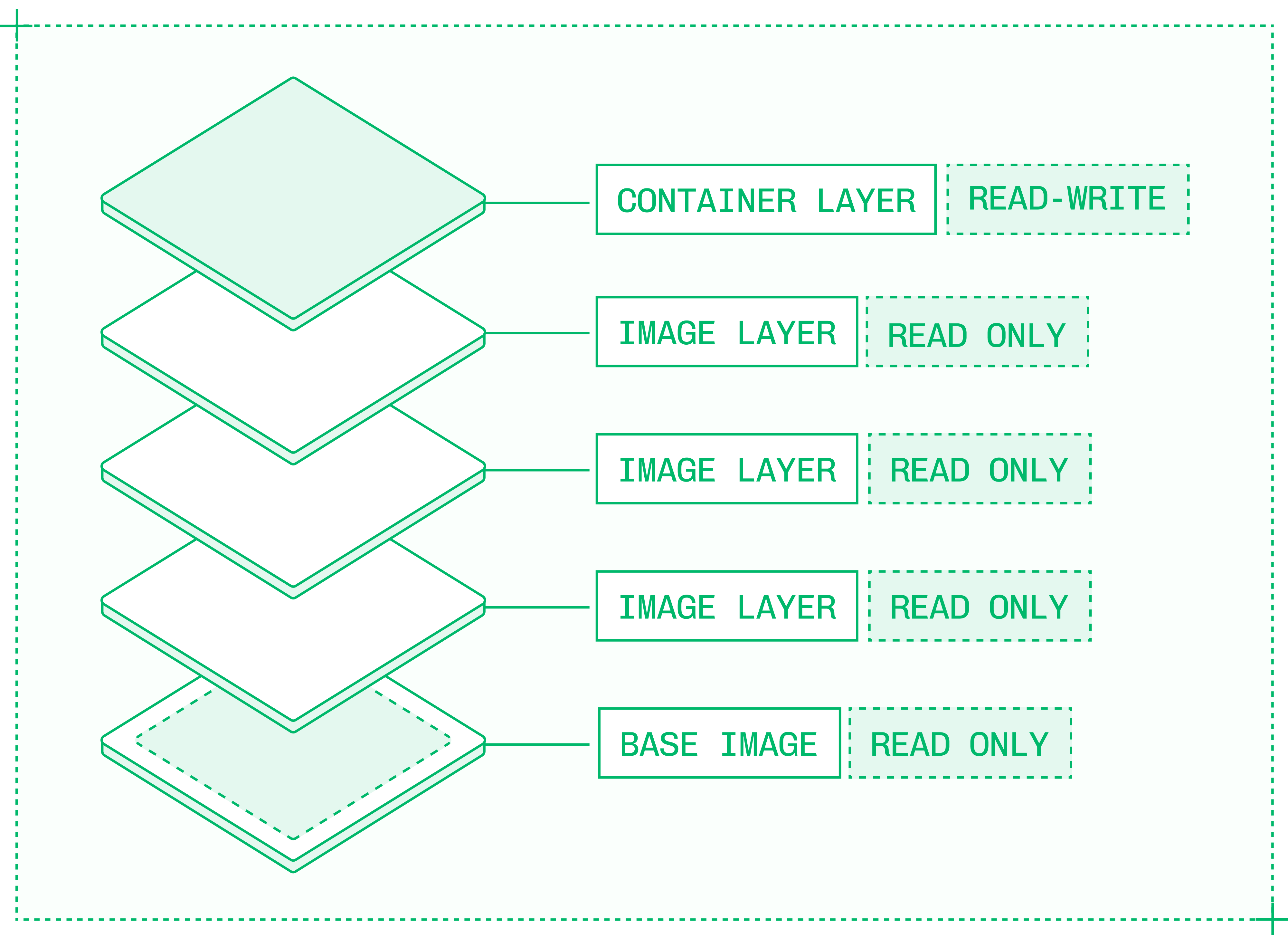
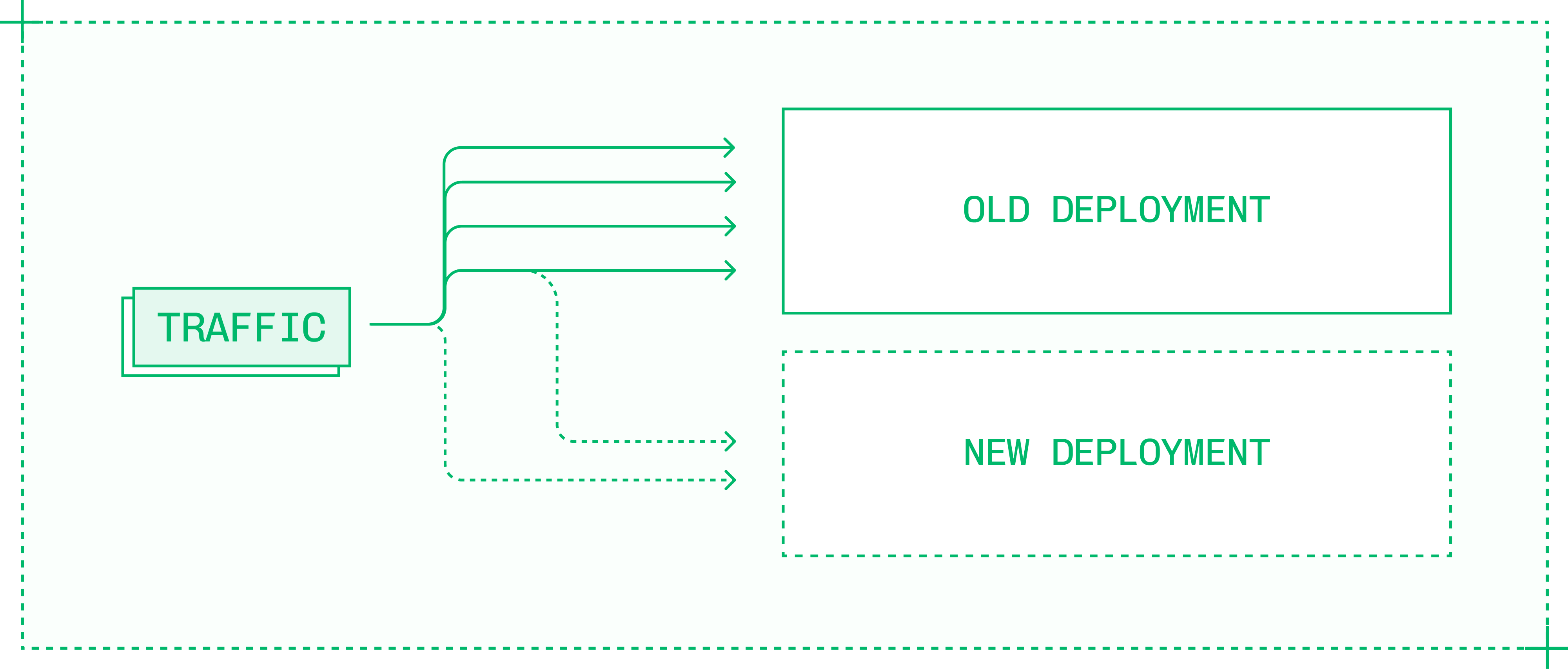
With the initial style set, I was able to create hand-drawn sketches then hand them off to multiple designers to apply the defined style.
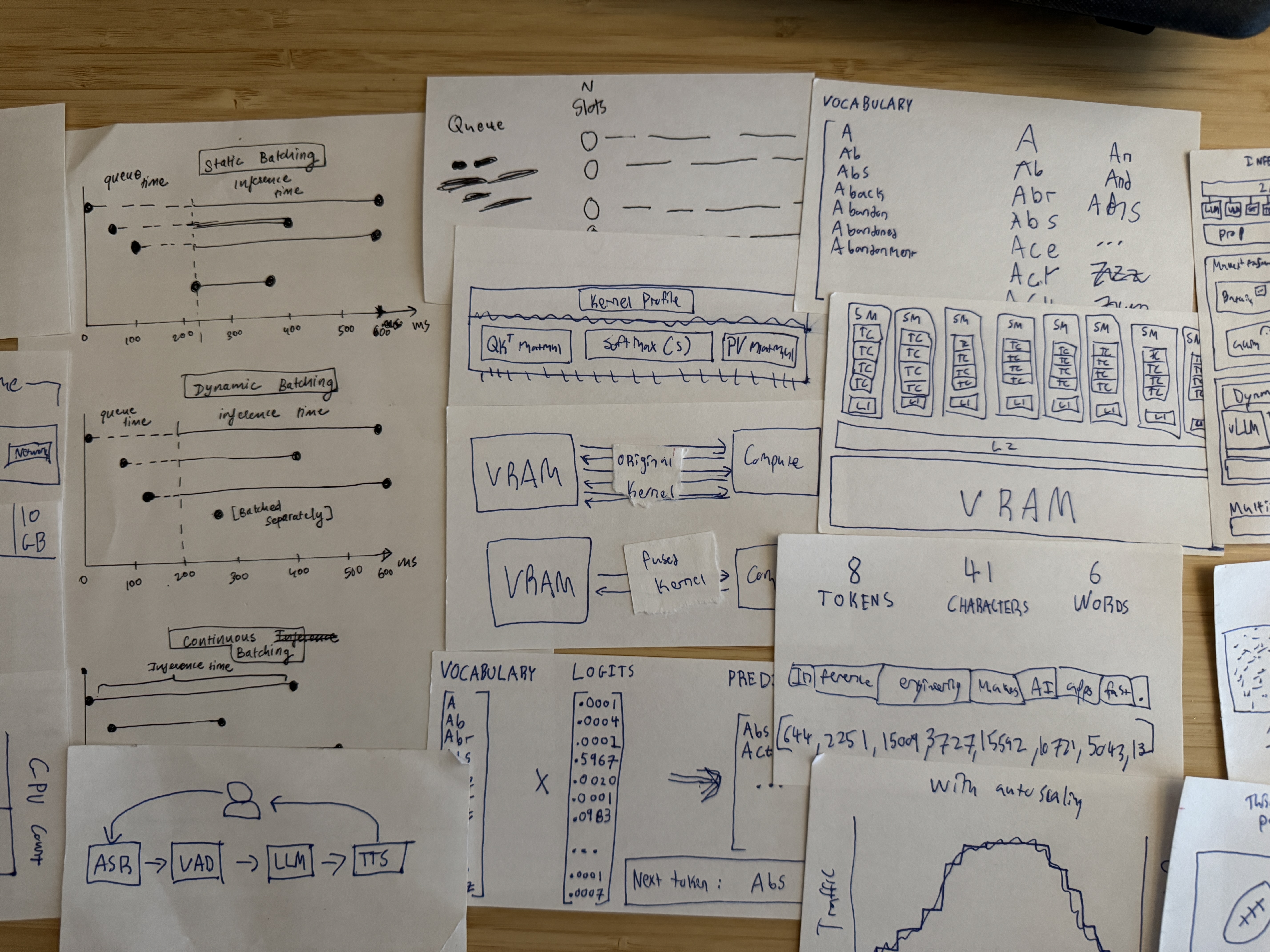
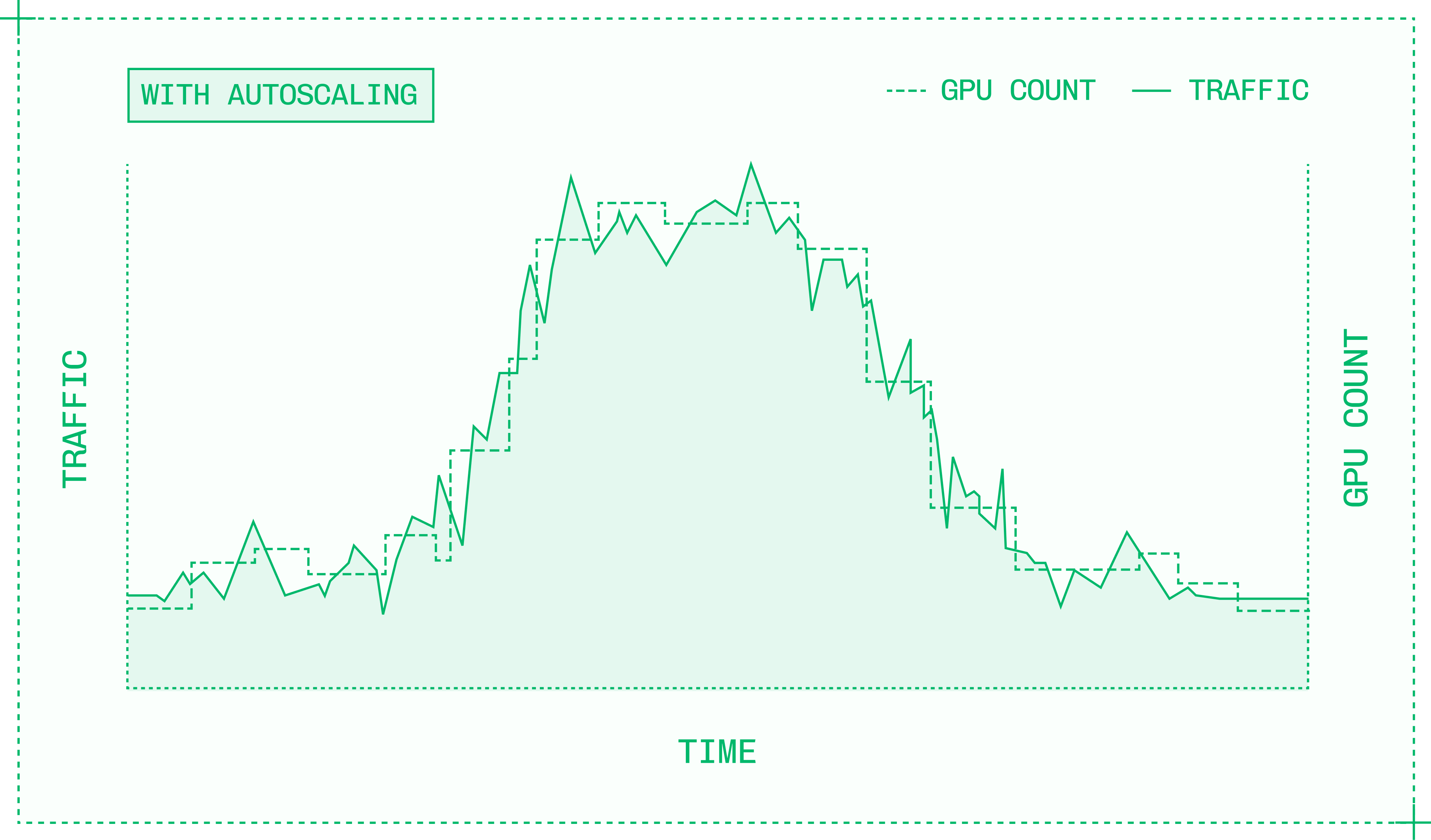
These sketches became ready-to-use diagrams, often with minimal revision. An established style to pattern match and a clear, simple sketch are much better than even the most detailed written specification.
Cover design
The cover design was a more exploratory process. Where the interior design was an assembly line, building the cover was iterative and creative.
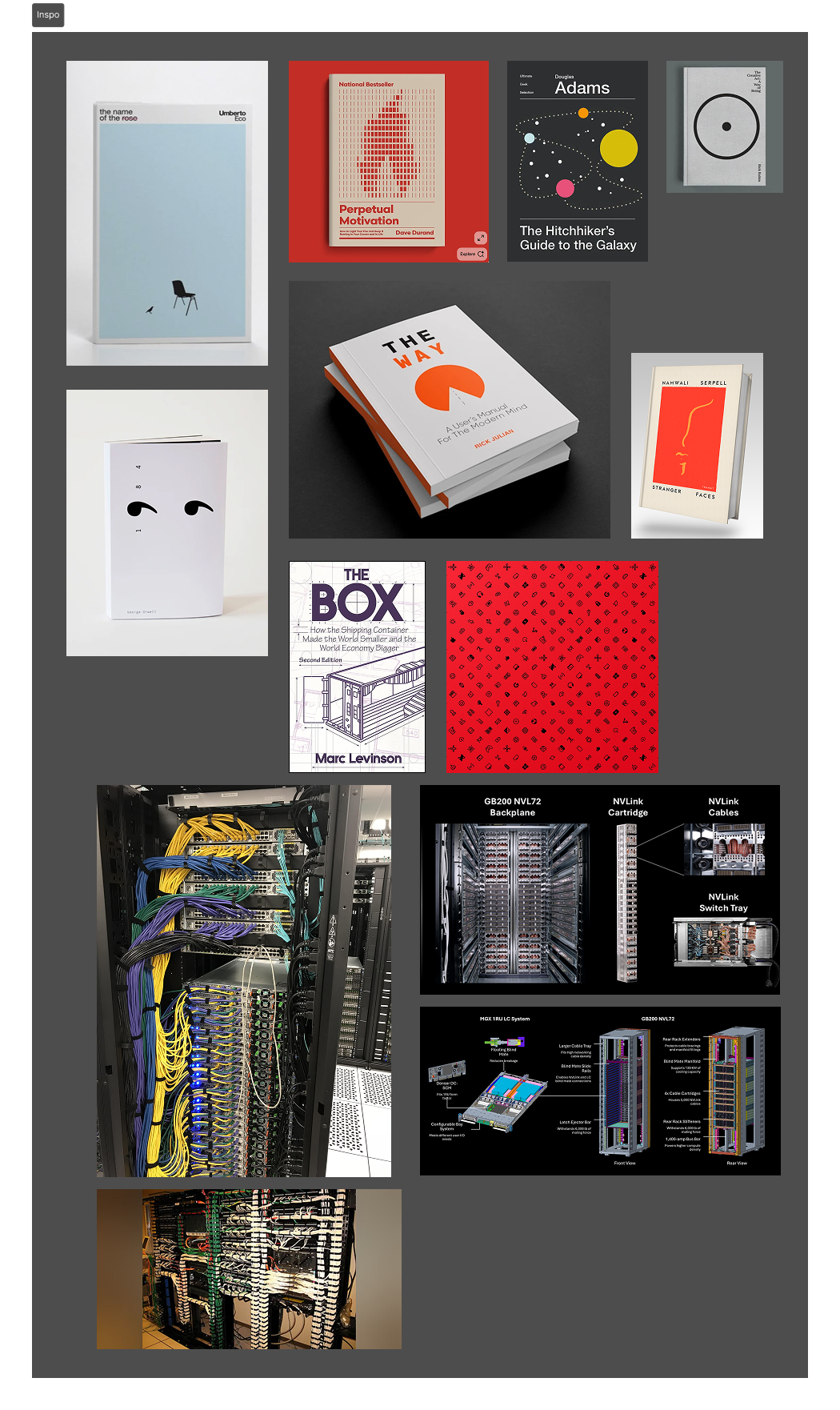
Luke and I started by putting together an inspiration board with book covers we liked as well as design patterns and real-world images.
I knew early on that I wanted a design that was grounded in the technologies in the book. I took a lot of inspiration from the cover art on The Box by Marc Levinson.
We also started exploring other finishing touches, like the pattern to use on the inside cover pages.
Luke created dozens of potential cover designs with a wide range of styles and concepts. Working together, we narrowed it down to four favorite options.
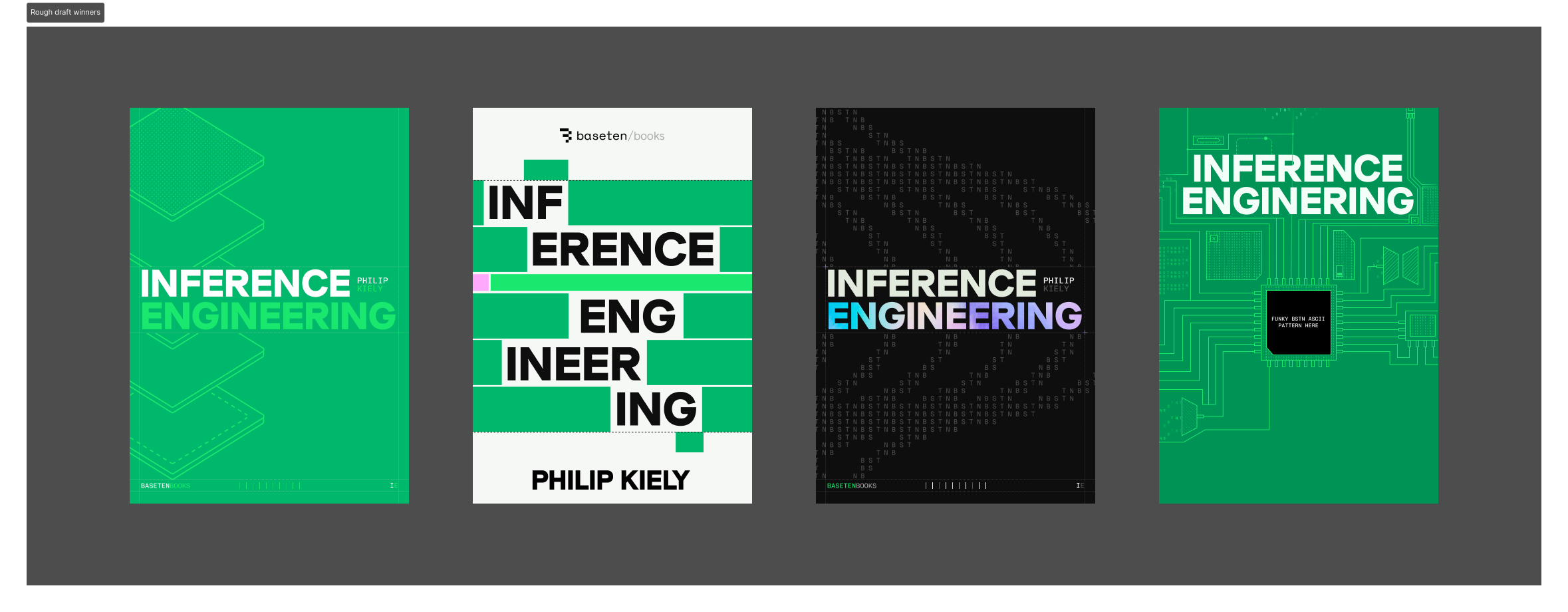
Each design had something to love, but I was immediately drawn to the final option. The idea of an intricate cover with tons of technical easter eggs spoke to me.
From there, we continued iterating on the design. My main contribution was finding a macro photography image of an actual NVIDIA B200 GPU so that we could trace part of it as inspiration for the main board at the center of the cover.
After seeing the front cover, I knew I wanted the design language to extend to the spine and back cover. This meant that we had to hold on finalizing the design until I knew the page count and paper weight, meaning that the spine had to be set the day before we went to print. We also had to properly incorporate the ISBN barcode so that the book could be sold on Amazon and in stores.