How to write a book (without quitting your job)
Everybody wants to be an author, but nobody wants to lift no heavy-ass pen.
Writing a book is an endurance sport. No individual step is that hard. If you write enough words, you get a sentence. If you write enough sentences, you get a page. If you write enough pages, you get a book.
By that logic it's not that hard to write a marathon. You just take enough steps.
On August 13, 2025, I had the idea that I might like to write another book. Six months later, the first print run of Inference Engineering was delivered by pallet to Baseten's San Francisco office.
This was a Boston Marathon qualifying pace. Most publishers take 12 to 18 months to publish a book. I did it in less than half the time by owning the entire process end-to-end while working with world-class partners at every step. While this project was endorsed by my manager and team, I was working on it part-time alongside my other responsibilities.
This article breaks down the timeline and process of writing and publishing Inference Engineering while staying employed. Along the way, I'll highlight some shortcuts to take and some mistakes to avoid if you're thinking about writing your own book.
Outlining (2 weeks)
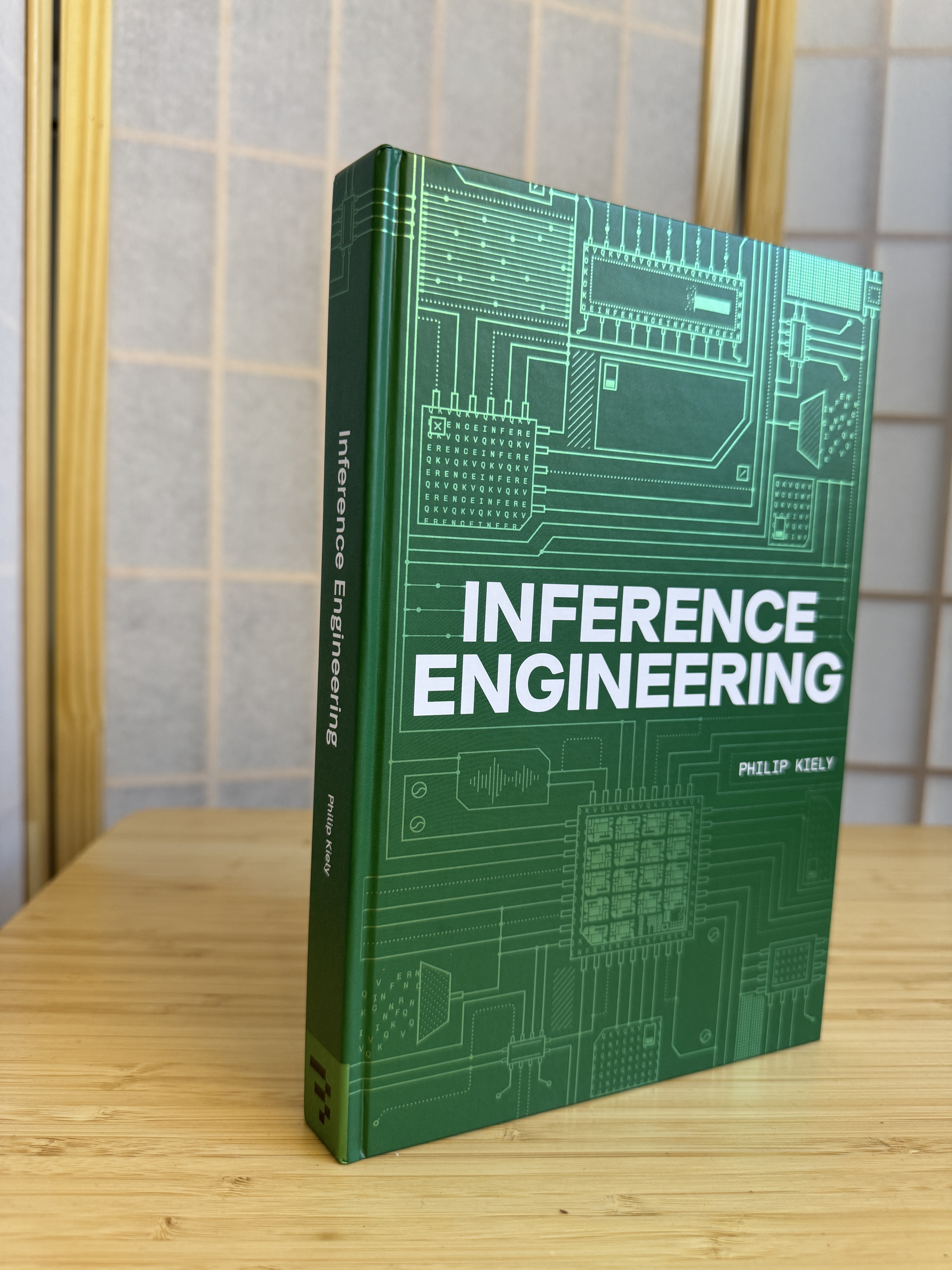
Every writer means something different by "outline." My outlines are subsection-level nested bullet points to anchor the writing process. As I outline, I may write a paragraph as it comes to me, but my average outline is vague at best.
For reference, the outline for Inference Engineering was about 2,500 words, or 5% of the length of the final manuscript.
The key to speed in this project was avoiding the unknown. After four years at Baseten, I had solid foundational knowledge of every topic I wanted to cover and I knew exactly which engineers to go to to fill in the gaps in my knowledge. I wrote an outline that set me up for success.
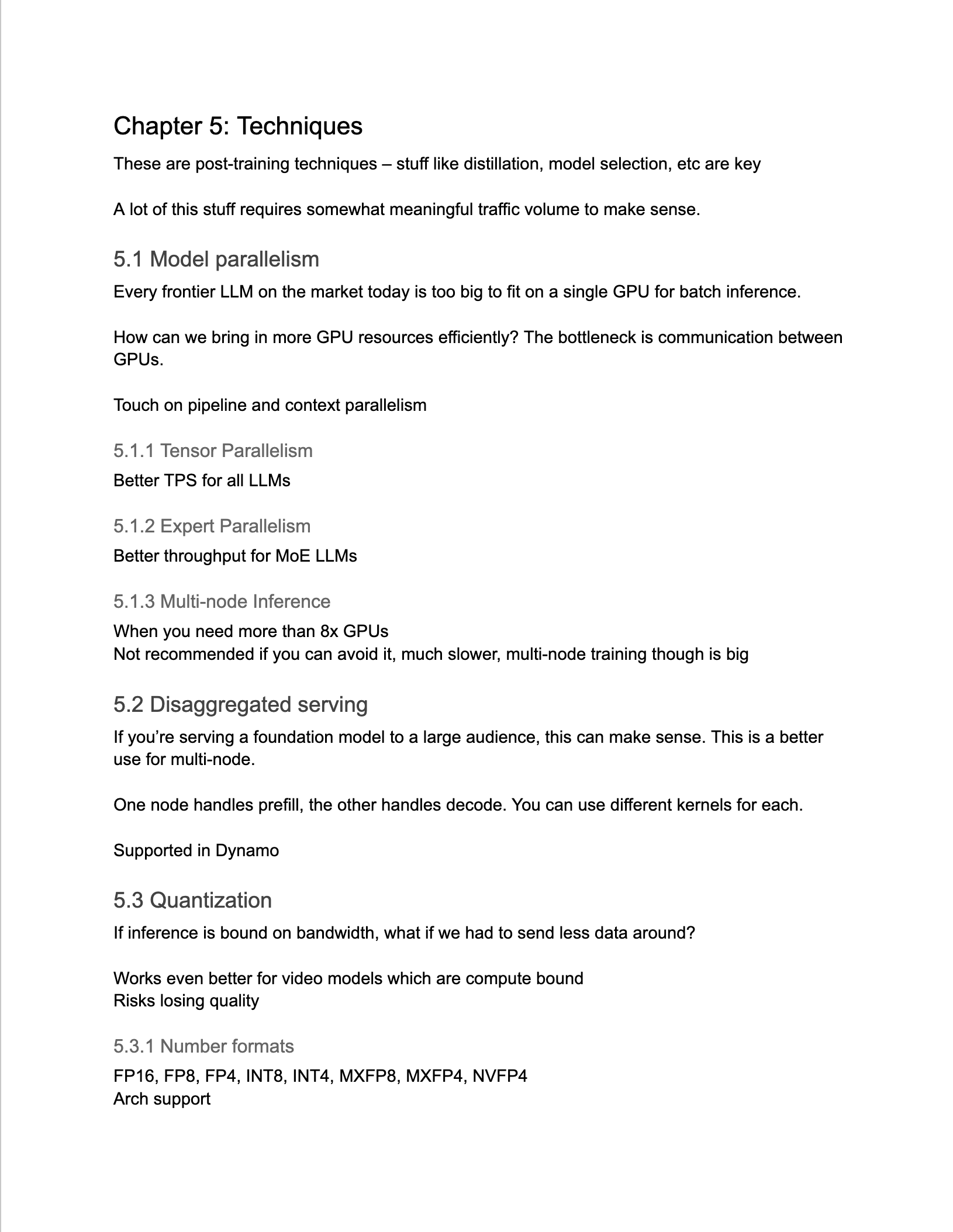
This is not to say that I had an omniscient outline. For one thing, I planned on 20,000 words and published 47,000 even after cutting a few pieces for scope.
First draft (6 weeks)
Any writing about writing tends to skip the writing part. There isn't much to say here. You show up every day and write the words. Writing a manuscript requires you to become a monk.
My number one tip for long-form writing is to write out of order. Using the outline as a guide, I wrote whatever sections I felt like on any given day. This helped me avoid writer's block by flowing over to whatever topic felt most interesting at any given time.
I am a momentum based writer. The more consecutive days I write, the more words I write each day. But I had demands in my day job as well.
I cut a deal with my boss. I'd spend both weekend days writing, and in exchange, I'd get two weekdays to write as well. Over my six weeks of heads-down writing, I wrote four days a week and crammed my work into the remaining three days. My teammates picked up a ton of slack which I deeply appreciate.
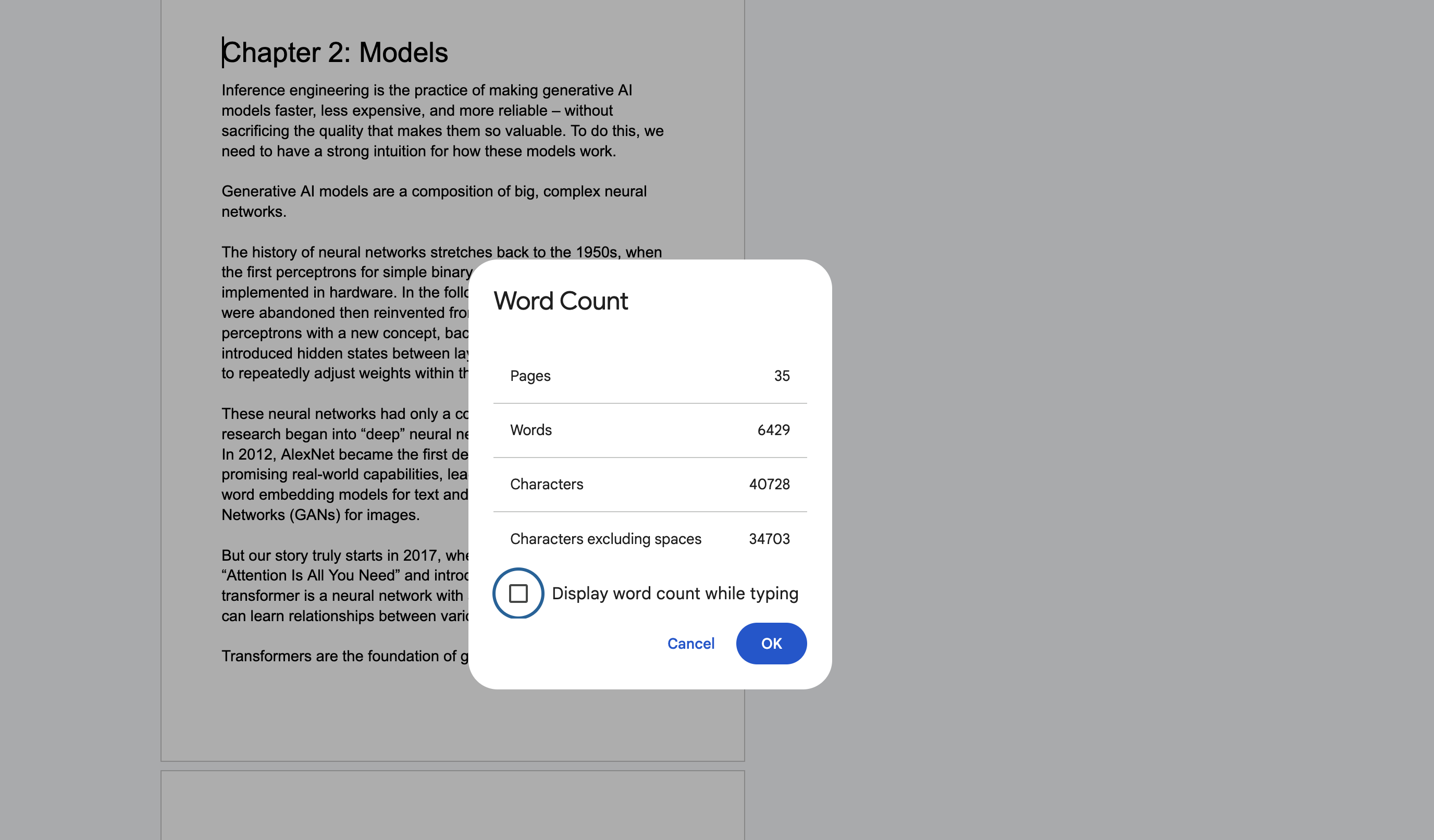
Writing days began at 5AM and often ran as late as 9PM, though often with a moderate break in the afternoon. I tracked my word counts daily. I generally wrote the most words on the third and fourth days of these sprints, when I had the full context loaded into my brain. I averaged about 2,000 words per writing day, though that varied from 1,000 to 3,000 day by day. As do endurance athletes, I found my pace.
This is the period where I also did my subject-matter expert interviews. These greatly accelerated the writing process because I could build entire pages out of the information I was given. It would not have been possible to write Inference Engineering in six weeks if I had to research from scratch.
Design (4 weeks)
Inference Engineering is more than just words on a page. I knew it would be important to visualize the concepts in the book.
I am not an artist. Fortunately, I work with several great designers at Baseten. Our brand designer, Luke, worked with me to set a style for internal diagrams. We started by working together on five representative diagrams of varying contents. Once we locked in a style, it was fast to spin up new designs as needed, and we were able to split the work across multiple designers while maintaining consistency.
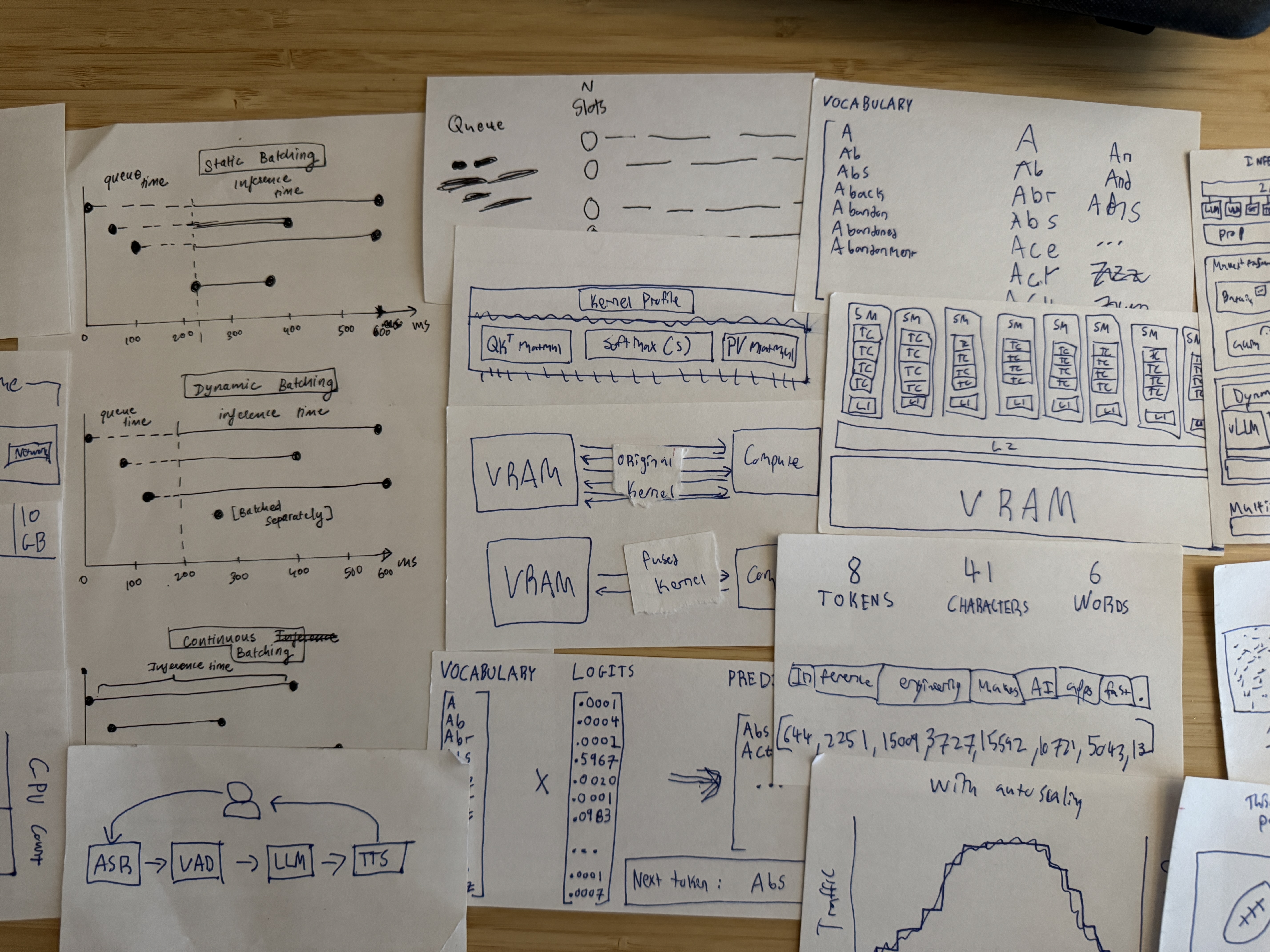
In the end, Inference Engineering has over 100 visual elements, including diagrams, charts, tables, and code blocks.
Editing (6 weeks)
Editing requires a jarring shift from monastic writing to managing multiple parallel processes. It's just a new grind.
In parallel with the design process, I organized three rounds of revision:
- First technical review: A broad group of engineers from Baseten reviewed the manuscript for accuracy and clarity.
- Final technical approval: A select group of engineers from Baseten approved individual sections of the manuscript that aligned with their expertise.
- Copyedit: A professional editor performed a paragraph-level and sentence-level copyedit.
In between each round, I applied the feedback myself, as well as re-read the manuscript to catch outstanding issues.
During the rounds, while waiting for feedback, I worked on the design (I would hand-draw sketches to pass over to the designers) and created the appendices.
Traditionally there might have been a developmental edit and potentially another round of technical review. However, I was confident in my material and delivery so I organized a quick editing process that, thanks to the diligent work of the many experts involved, massively improved the quality of the manuscript in very short order.
Proofreading (2 weeks)
The final step before the manuscript was complete was proofreading. I first did automated proofreading with both dedicated software, LLMs, and custom Python scripts. Then, my editor did a proofreading pass on paper. Finally, I did a read-aloud edit to catch any remaining issues.

Reading aloud is great for catching errors. It takes about one minute per one hundred words. Not a big deal for a blog post, but another example of how writing a book is an endurance sport.
Layout (2 weeks)
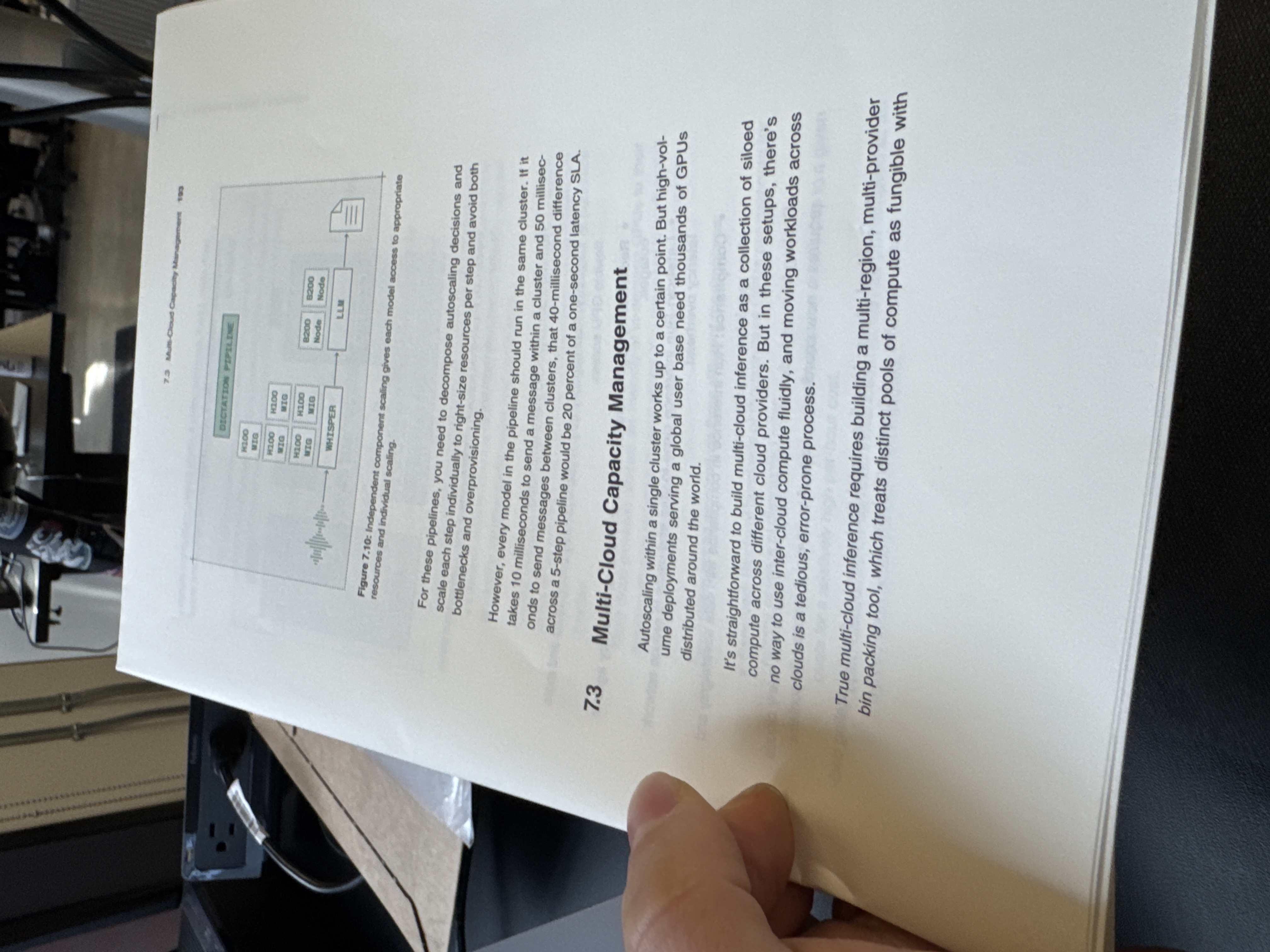
Once the manuscript was complete, I worked with Nord Compo to do final layout. This included selecting paper size, margins, font, and other layout details. They use specialized software and human experts to create publisher-quality layouts.
Layout was a dependency for my cover design because the number of pages determines the spine width. I insisted on a complex wrap-around design, which introduced this dependency.
Printing (6 weeks)
Printing is the sort of thing that a publisher would normally handle. But publishers take too long.
The additional challenge is that we wanted to print a world-class book on an overnight timeline. At this point it was late December, which is both a crunch time in the publishing world and a time when many printers take holidays.
In early January, I was put in touch with Albe de Coker, a specialty printer in Belgium. They have tons of experience printing high-quality books, and were able to deliver Inference Engineering at an incredible quality in less than four weeks, including international shipping.
As a software engineer, I live in a world of digital RGB color. The biggest challenge in printing was translating from RGB to different color spaces like CMYK and Pantone, from software like Figma to the Adobe suite, and from pixels to inches with margins of errors.
The team at Albe de Coker were incredible partners through every step of the process and lent their expertise freely to create a beautiful end product.
Launch (2 weeks)
When you start writing a book, you're a monk. Once the first draft is complete, you're a manager. Once the book is printed, you must become a marketer.
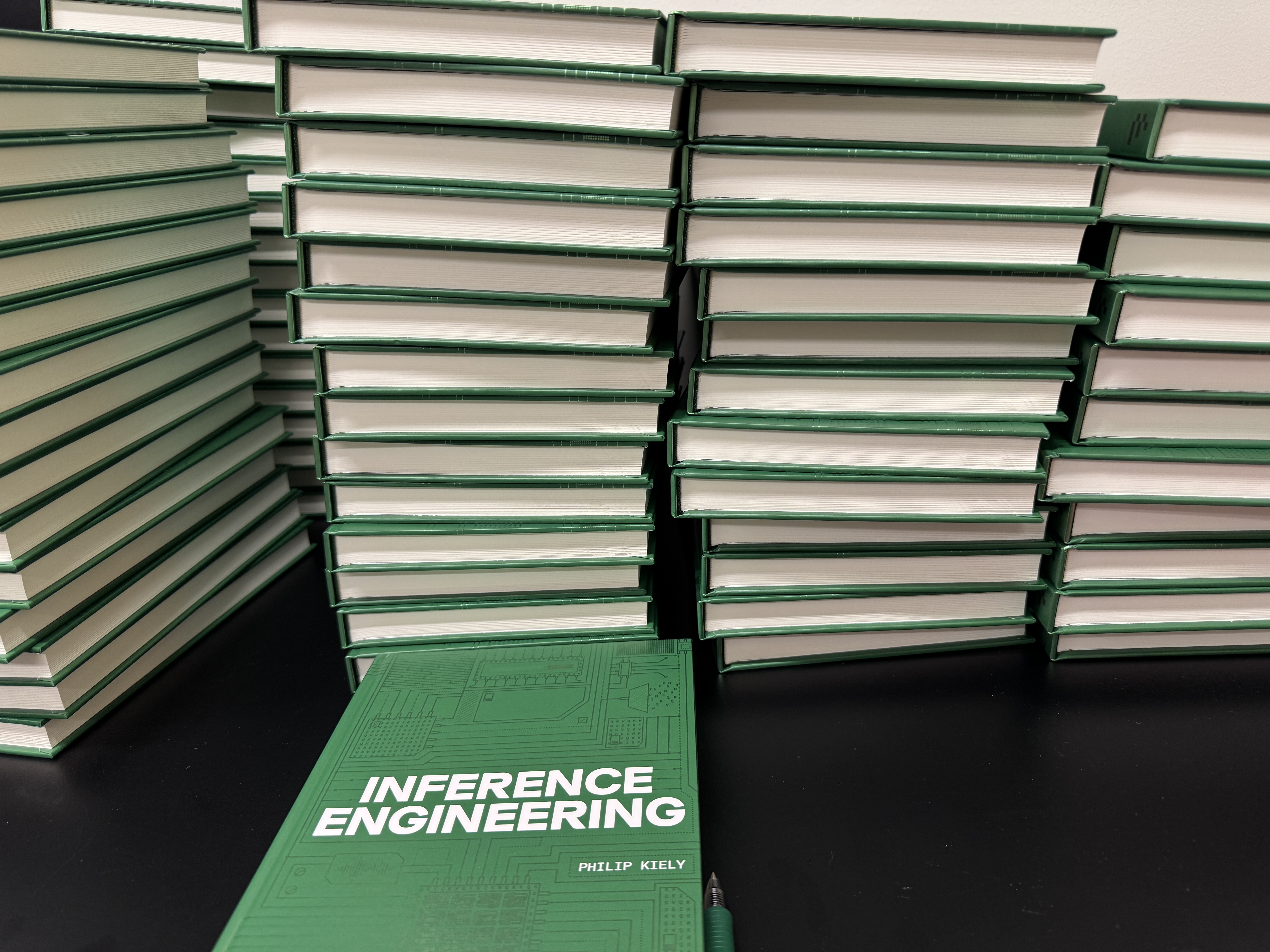
I was fortunate to work with a fantastic team to market the book, including our new media lead Lan and our friends at Iverson. Launching a book is like launching anything else: funnels, amplification, positioning.
Our focus in launch was getting the books in the hands of tastemakers who would appreciate the quality of both the words and the physical object. This involved PR boxes, two parties, many trips to FedEx, and hand deliveries across San Francisco.
And, as a final grind, it takes about one minute to unwrap a book from cling wrap, write a note inside of it, sign it, and number it. Times three hundred books, that's a five-hour event.
Recovery (TBD)
Athletes recover from races. I look forward to discovering what the active recovery process is after writing, publishing, and launching a book.